If you think hiking is only about reaching the summit, you haven’t hiked in Korea yet.
Here, hiking isn’t just exercise — it’s a ritual of joy.
You climb for the view,
you breathe in the mountain air,
and when you come down…
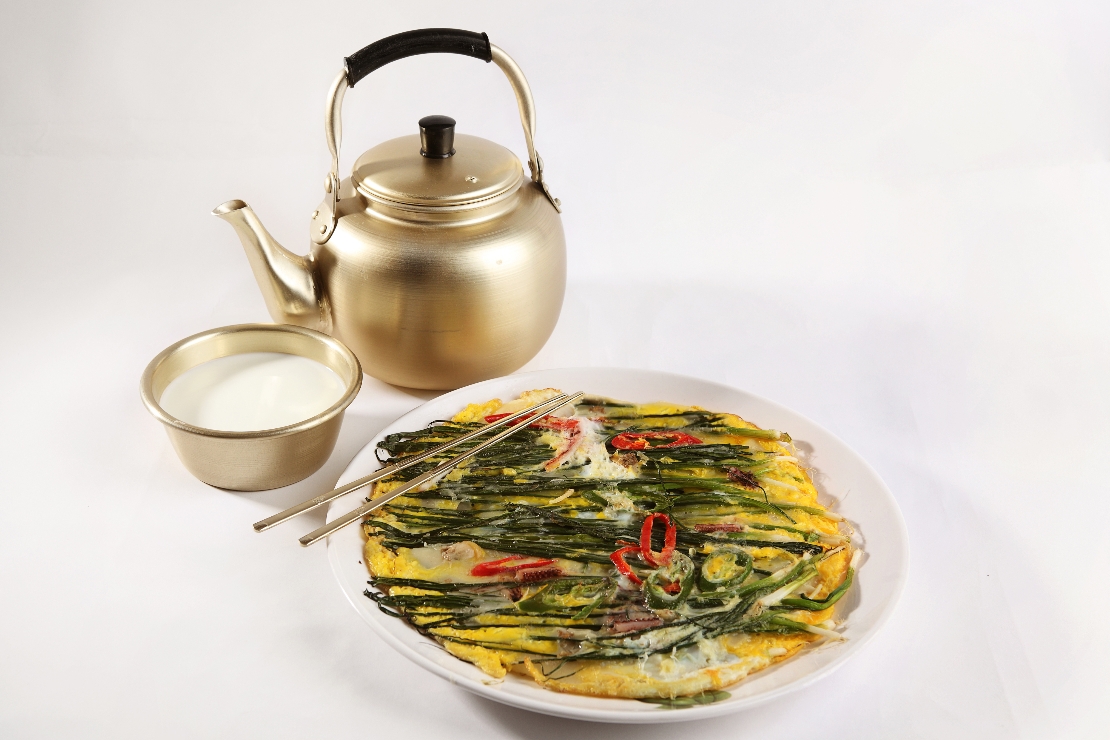
you celebrate with makgeolli (Korean rice wine) and pajeon (crispy green onion pancake).
Why Hiking Is a National Passion in Korea
In Korea, mountains are everywhere.
Nearly 70% of the country’s land is mountainous, which means even in big cities like Seoul or Busan,
you’re never more than an hour away from a hiking trail.
But Koreans don’t climb mountains just for the exercise — they climb for healing, peace, and connection.
For many, hiking is a kind of moving meditation — a way to breathe, think, and reset.
After the pandemic, this culture only grew stronger.
With people searching for safe and mindful outdoor spaces, hiking became the perfect mix of health, solitude, and nature.
It’s no longer just a hobby — it’s a lifestyle, a weekend ritual,
and one of the simplest ways to find calm in a fast-paced world.
The Climb — Challenge, Scenery, and Stillness
Most Korean mountains aren’t as massive as the Alps, but they’re rich in diversity.
You’ll find sharp cliffs, ancient temples, waterfalls, and ridges — all within a few hours of hiking.
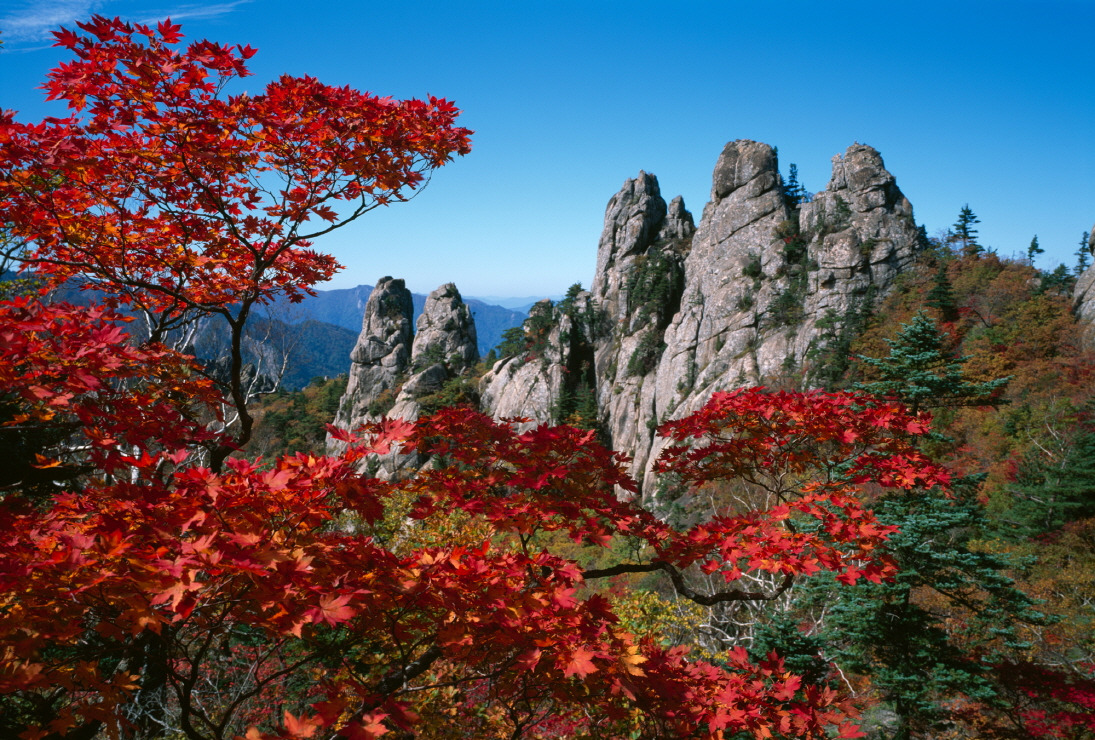
- Seoraksan feels like walking through a watercolor painting.
- Bukhansan offers a panoramic view of Seoul.
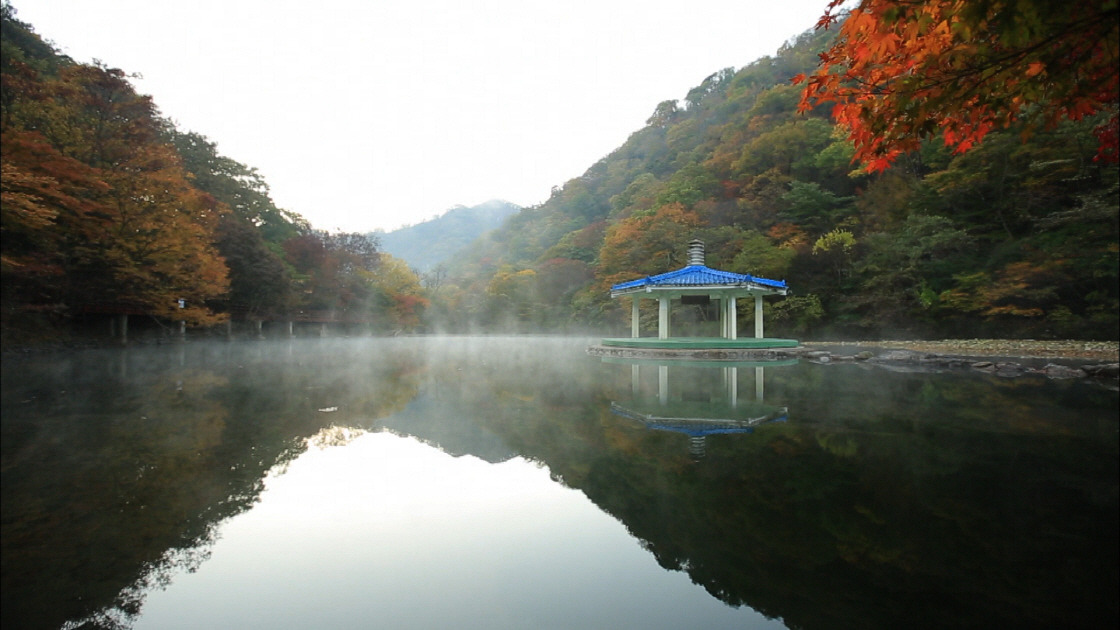
- Naejangsan glows with red and gold maple tunnels in October.
On the way up, hikers greet one another with “안녕하세요 (annyeonghaseyo)” — a friendly hello that connects strangers on the same path.
It’s a quiet reminder: you’re not climbing alone.
The Descent — Makgeolli and Pajeon, Korea’s After-Hike Ritual
When you reach the bottom, the journey isn’t over — it’s time to celebrate.
Local restaurants near trailheads fill up with hikers in colorful jackets, laughing and sharing cups of makgeolli.
Pajeon — The Perfect Post-Hike Snack
This crispy green onion pancake, often made with seafood, is said to “taste best when it rains.”
Maybe it’s the sound of sizzling batter, or the joy of eating something warm after hours in the wind —
either way, it’s comfort on a plate.
Makgeolli — Cloudy, Sweet, and Comforting
Makgeolli, a traditional Korean rice wine, is slightly fizzy, milky-white, and gently sweet.
It’s served in tin kettles and shared in bowls — not for intoxication, but for togetherness.
It’s not about drinking.
It’s about celebrating the climb and the company.
The Spirit of Korean Hiking
Koreans don’t hike to escape life — they hike to feel more alive.
The rhythm of a Korean hike is simple yet profound:
- Quiet trails and temple bells in the distance.
- The smell of pine and fresh air filling your lungs.
- Laughter and warm makgeolli shared at the bottom.
It’s movement and stillness, challenge and rest — the perfect expression of balance.
Where to Experience It All
| Mountain | Region | Highlights | After-Hike Hotspot |
| Bukhansan | Seoul | Easy access, city skyline views | Ui-dong & Gugi-dong: traditional makgeolli houses |
| Seoraksan | Gangwon | Dramatic cliffs, autumn colors | Sokcho makgeolli street near park gate |
| Naejangsan | Jeolla | Korea’s most beautiful fall foliage | Naejangsa temple village restaurants |
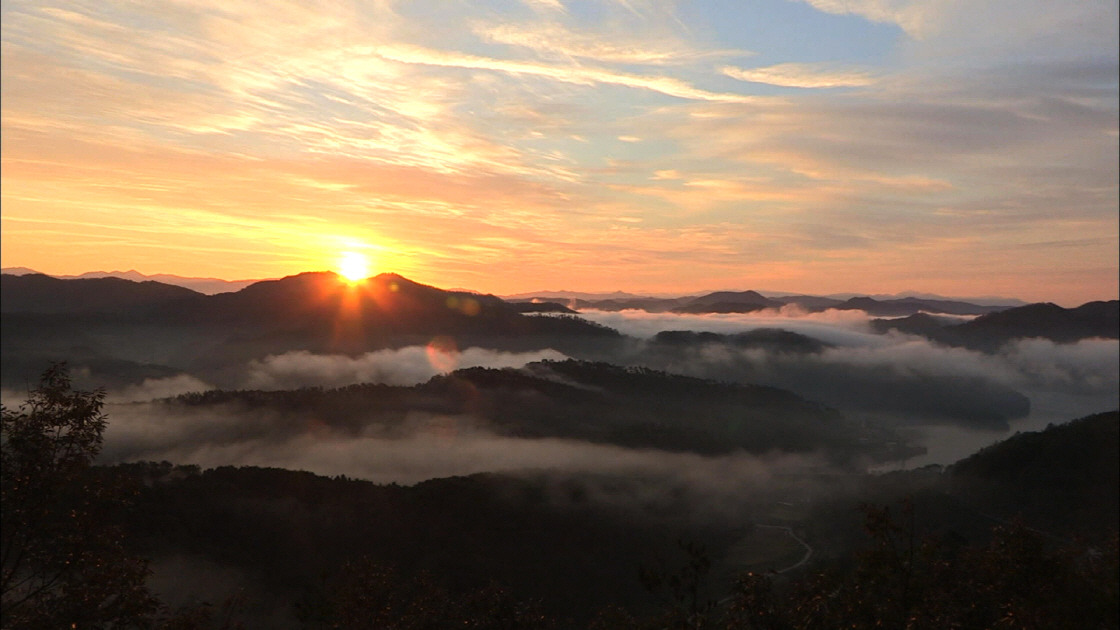
| Jirisan | Gyeongsang / Jeolla | Panoramic sunrise hikes | Gurye traditional market eateries |
| Hallasan | Jeju Island | Cloud-filled crater trails | Seogwipo local makgeolli bars |

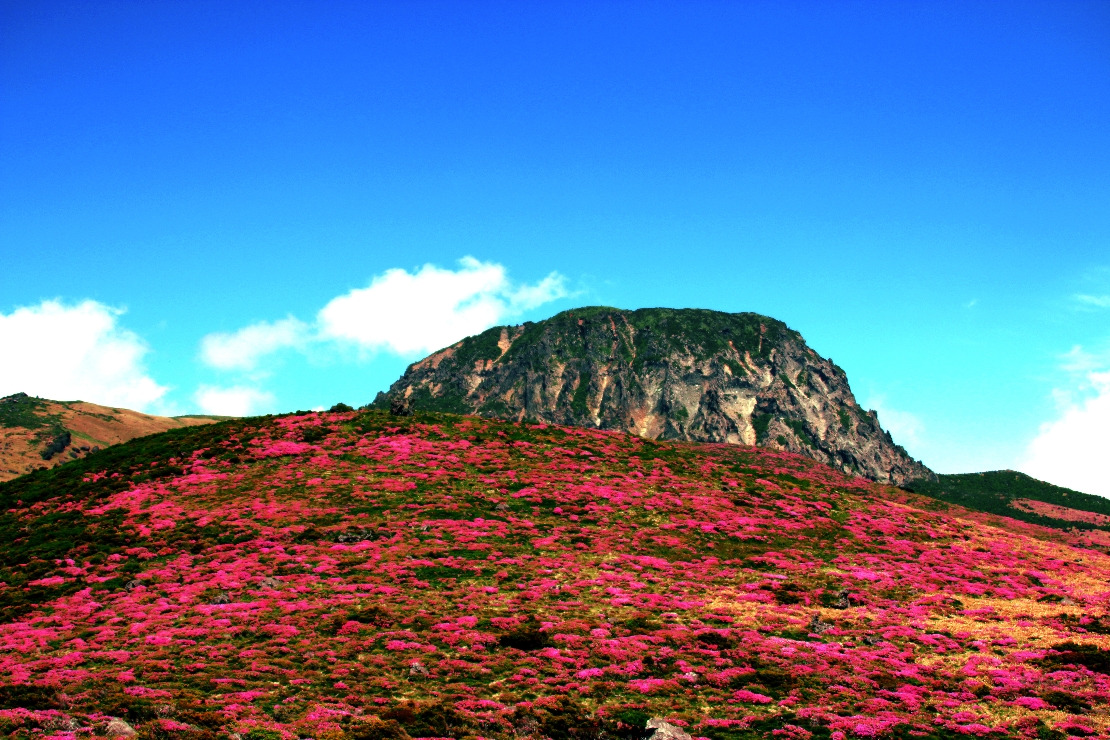
💬 In the End
“Hiking in Korea isn’t just about reaching the top
It’s about finding peace — and sharing it over a bowl of makgeolli.”
So when you plan your next trip to Korea, don’t just see the mountains — experience them.
Climb for the view, breathe deeply at the summit, then sit down with locals, order pajeon and makgeolli,
and taste the real essence of Korea: nature, connection, and joy.
💬 Ask a Korean
Have a question about Korean language or culture?
Leave it in the comments below —
or Submit your question here!
Your question might be featured in the next Ask a Korean post!
※ Written by VM Story (Original content, all rights reserved).
Do not reproduce without permission.


