If you’ve watched the Netflix series Bon Appétit, Your Majesty (폭군의 셰프),
you may remember the chef’s quiet yet powerful line:
“Food is medicine.” (음식은 약이다.)
It sounds poetic, but in Korea, it’s more than a metaphor —
it’s a philosophy that shapes how people cook, eat, and even heal.
This belief comes from a centuries-old Korean idea called “약식동원 (Yak-sik Dong-won)”,
which literally means “food and medicine come from the same source.”
1. The Philosophy of Yak-sik Dong-won: “Food and Medicine Are One”
In traditional Korean medicine (한의학), the body and nature are seen as one connected system.
Food isn’t just energy — it’s balance.
Every ingredient has a “warm,” “cool,” or “neutral” property that affects your body’s internal harmony.
So rather than rushing to take pills, Koreans have long believed in healing through meals.
“If you eat well, you won’t need medicine.”
(밥 잘 먹으면 약이 필요 없다.)
This idea shapes not only what Koreans eat, but also how they eat — slowly, seasonally, and thoughtfully.
2. In Practice: Everyday Foods as Natural Remedies
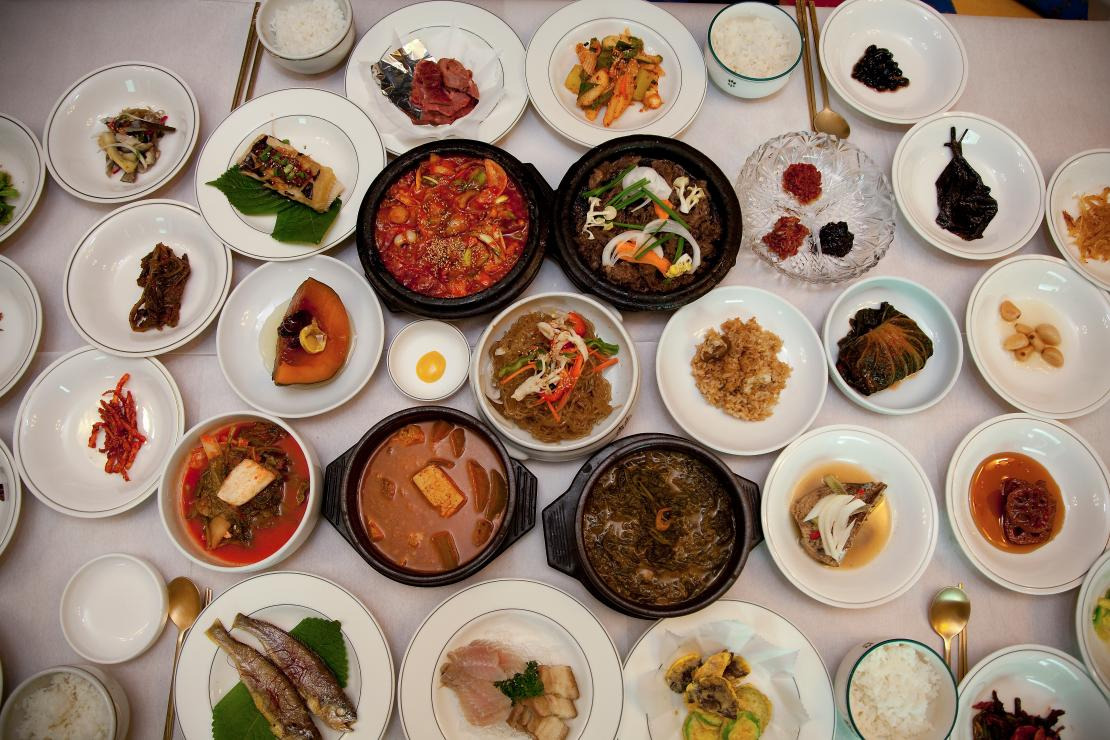
Korean tables are full of dishes that reflect this “food-as-medicine” mindset.
| Dish | Believed Benefit | When It’s Eaten |
| Samgyetang (삼계탕, Ginseng Chicken Soup) | Restores stamina and energy | In the hottest days of summer (이열치열) |
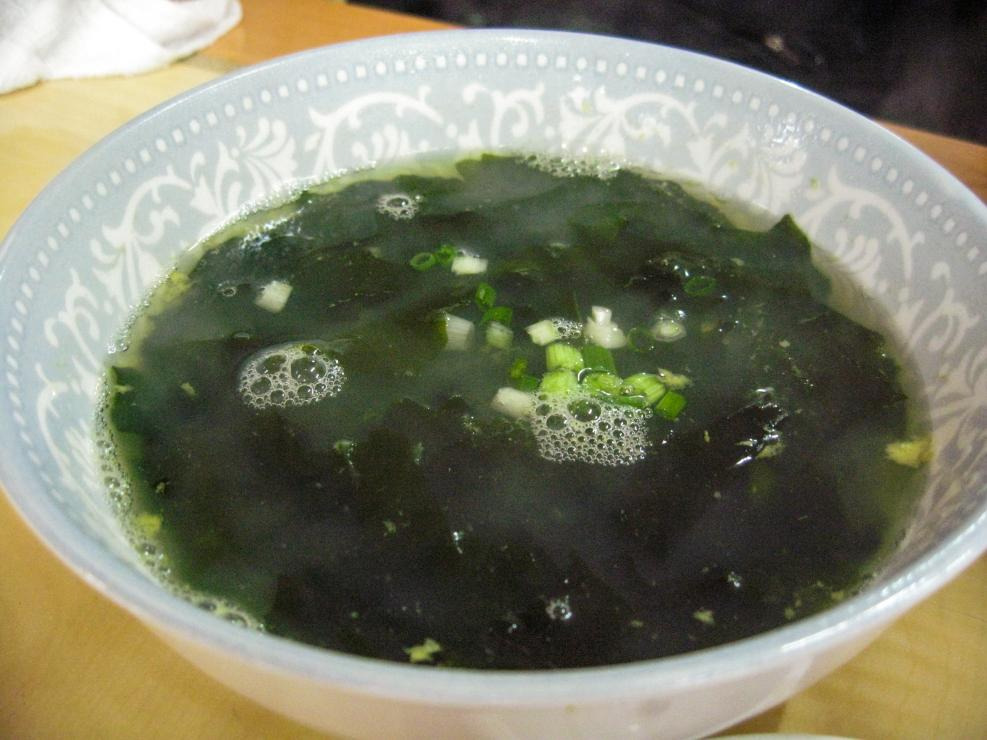
| Miyeok-guk (미역국, Seaweed Soup) | Cleanses the body and helps recovery | After childbirth, or on birthdays |
| Kimchi (김치) | Improves digestion and strengthens immunity | Every meal, every day |
| Juk (죽, Rice Porridge) | Gentle on the stomach, helps recovery | When sick or tired |
| Ginger Tea (생강차) | Warms the body, relieves colds | Cold seasons or rainy days |
For many Koreans, caring for someone starts with cooking.
If a friend feels sick, the first words you’ll hear are:
“Did you eat something warm?” — not “Did you take your medicine?”

3. From Grandma’s Kitchen to Modern Chefs
In Bon Appétit, Your Majesty, the chef doesn’t treat cooking as performance —
she treats it as therapy.
Each herb, broth, and seasoning is chosen with intention: to comfort, to heal, to bring balance.
That’s exactly how Korean grandmothers cook too.
In Korea, recipes aren’t just about taste — they carry emotion, energy, and healing power.
The act of preparing food with sincerity (정성, jeong-seong) is itself considered a form of care and love.
4. “Food Is Medicine” in Modern Korea
Even in modern Seoul, the belief in Yak-sik Dong-won is alive and well.
Trendy cafés serve “well-being bibimbap” made with medicinal herbs.
Health drinks (한방차) are sold next to coffee.
And chefs blend traditional ingredients like ginseng, jujube, and mugwort into fine dining menus.
In a world obsessed with supplements and diets,
Koreans quietly remind us that true wellness begins at the dinner table.
Medicine cures, but food prevents.

5. Food as Love — the Korean Way
When Koreans ask, “Have you eaten?” (밥 먹었어요?)
it’s not just small talk.
It’s another way of saying “I care about you.”
That’s why in Korean culture, feeding someone is an act of affection — a way to comfort, protect, and connect.
Whether it’s a bowl of hot soup on a rainy day or a lunchbox packed with homemade side dishes, every meal carries a quiet message:
“Eat well. Stay healthy. Be loved.”
6. Final Thoughts
The line “Food is medicine” from Bon Appétit, Your Majesty isn’t just cinematic poetry —
it captures a living truth in Korean life.
To eat is to heal.
To cook is to care.
And to share a meal is to keep each other alive and well.
So next time you enjoy Korean food, remember: every bite carries centuries of wisdom — and perhaps, a little bit of healing too.
💬 Got something you’ve always wanted to ask a Korean?
Leave your question in the comments below —
or Submit your question here!
Your question might be featured in the next post of Ask a Korean!
※ Written by VM Story (Original content, all rights reserved).
Do not reproduce without permission.